
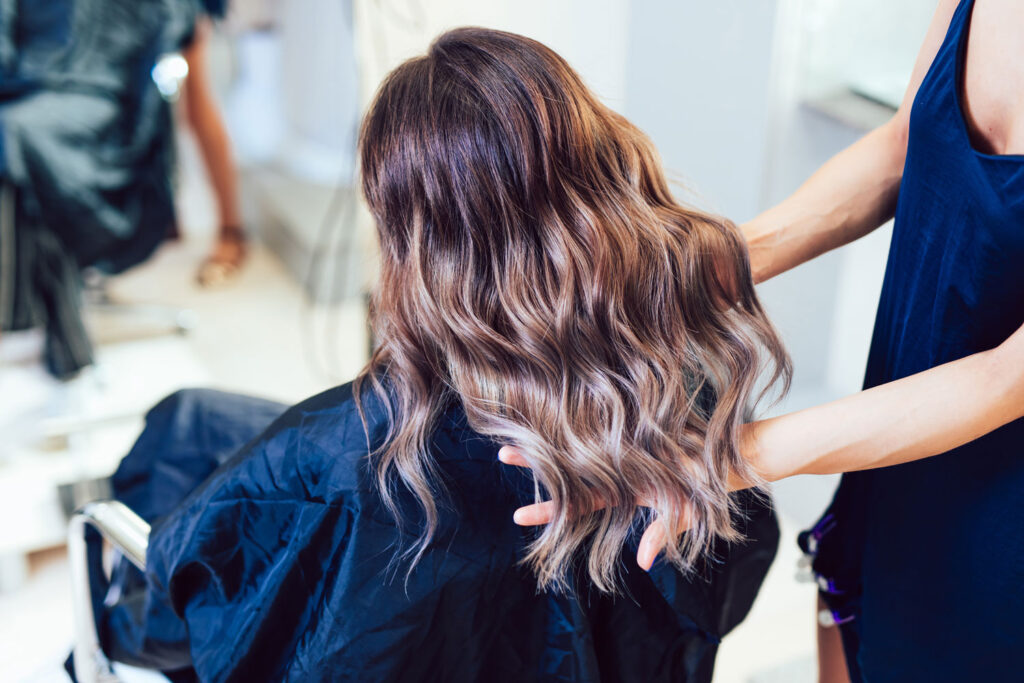
Great hair colour is more than just a shade. It’s a mood, a confidence boost, a feeling you carry with you out the salon door and into the world. When the tone is right, your whole face lights up. But if it’s wrong, it’s all you’ll notice every time you look in the mirror.
At Aaron Jones Hairdressing, colour is one of the things our clients praise us for most. From glossy brunettes, to bright baby-lights and seamless balayage, people travel from across the Wirral and Liverpool because they’re looking for something specific: colour that feels effortless, flattering, and uniquely theirs.
Before we start talking about blondes, brunettes and everything in between, it’s worth looking at what makes those looks possible in the first place.
Different hair colour techniques (and how they work)
There’s more than one way to colour hair. Some techniques create softness and light, others give precision and brightness, and some are all about personality. Understanding the differences makes it much easier to find the look that suits you. If you’re comparing options before booking, you can also explore our hair colouring services to see the types of appointments we offer.
Here are the most common approaches and the effect each one gives.
Balayage
Balayage is colour that’s painted by hand, strand by strand, rather than following a set pattern. Instead of rigid slices or lines, the colour is swept onto the surface of the hair, focusing brightness where light would naturally hit.
It creates movement, softness, and seamless blend: the opposite of “stripy” or obvious colour.
Foil Highlights
Foils use thin sections of hair wrapped in foil to control lightening and precision. Because the hair develops inside the foil, it can reach higher levels of lift than hand-painting, and placement can be tailored to your haircut and face shape.
It’s the technique behind clean blondes, baby-lights and brighter, structured looks.
Glossing & Toning
A gloss or toner doesn’t lighten the hair, it refines it. Used after blonding, or as a stand-alone treatment, it adjusts the tone, softens brassiness and adds depth, shine or warmth depending on the goal.
It’s the subtle finishing touch that makes colour look expensive and polished.
Root Tint & Grey Blending
Root work focuses solely on the regrowth area, using colour to soften or camouflage greys. It can be full coverage or feathered for a softer, more lived-in effect.
Modern grey blending doesn’t try to hide every strand; it creates dimensional colour that grows out gracefully.
Creative Colour
Creative colour includes coppers, reds, pastels and vivid shades. These tones need planning, precision and the right foundation, especially if the hair needs to be pre-lightened first.
It’s expressive, playful, and statement-making when the technique underneath is sound.
Which technique is right for you?
| Technique | How it behaves | Best for |
|---|---|---|
| Balayage | Looks like natural sunlight, grows out gently, with depth through the roots and lightness through the ends | Low-maintenance blondes and brunettes who want softness, not stripes |
| Foil highlights | Higher lift than balayage, more contrast and definition, works beautifully around the face | Cool blondes, baby-lights, or bolder highlights with regular refreshes |
| Glossing & toning | Softens brassiness, boosts shine, adds richness or coolness | Reviving blonde, brunette or red in 20 minutes between appointments |
| Root tint & grey blending | Can be bold or subtle, grows out softly with multi-dimensional tone, keeps natural depth | Refined coverage and a natural-looking finish |
| Creative colour | Expressive, bold, requires a plan for longevity | Statement colour with personality |
The 5 main factors that shape hair colour
Beautiful colour doesn’t happen by chance. A few key elements determine how light it lifts, how well it holds tone, and how flattering it looks. These are the ones that make the biggest difference.
1. Undertones: the colour beneath the colour
If you’ve ever wondered “what hair colour suits me?”, undertones are a big part of the answer. Every head of hair has a “hidden tint” underneath:
- Dark hair lifts through warm red and copper
- Mid-brown reveals natural gold
- Blondes lift through yellow before they become pale
Most colour problems happen when undertones are ignored:
- blondes go brassy
- brunettes look muddy
- ash tones drift towards green
- highlights look stripy
The key isn’t fighting undertones, it’s working with them. When colour is planned with undertones in mind, the result looks balanced, flattering, and natural.
If you’d like an even deeper explainer, Luxy Hair have a helpful blog on how undertones affect every aspect of colouring hair.
2. Porosity: how your hair absorbs colour
Porosity has nothing to do with shade, it’s all about condition.
High porosity hair:
- absorbs colour quickly
- looks vibrant at first
- fades faster
Low porosity hair:
- takes longer to absorb
- may need extra time or technique
- keeps colour for longer
Porosity influences everything from brightness and lift, to how long colour lasts and how it fades. Two people with the same shade can leave with different results, and a lot of that is down to porosity.
OLAPLEX have an excellent guide on what porosity is and how to test it.
3. Hair memory
Hair remembers everything:
- highlights from years ago
- old box dye
- regular toners
- heat damage or sun exposure
Even if you can’t see it anymore, the hair still knows.
Previous colour can show up as:
- banding
- uneven lift
- stubborn warmth
That’s why consultations are so important. Understanding history makes results more predictable and controlled.
4. Suitability: skin, eyes, brows, depth
A shade that looks perfect on someone else may look flat on you. The secret to great colour is finding your individual perfect shade.
If you’ve ever searched for “what hair colour suits pale skin”, or “what hair colour suits green or blue eyes”, here’s the simple version:
- Pale skin often looks beautiful with soft beige blondes, ash, or mushroom tones
- Olive and brown skin carry rich brunette, espresso and warm caramel beautifully
- Green and hazel eyes light up with warm honey, caramel and copper
- Blue eyes can look striking with cool ash or smoky blonde
Your perfect shade is the one that makes everything look brighter:
- Warm undertones glow with honey, caramel, copper.
- Cool undertones suit ash, smoky, mushroom tones.
- Neutral can carry either, depending on depth.
5. Time: colour moves
Sunlight, washing, heat, and water all shift pigment. That means that:
- Blondes warm
- Reds soften
- Brunettes lose a little gloss
It’s simple chemistry. But that also means that there’s a simple solution: a toner refresh can keep everything looking beautiful for months.
Myth-busting: the questions we get asked most about hair colour
People have strong opinions about colour, and a lot of them come from things they’ve heard, rather than things they actually know. Here are some of the questions we’re asked most often, and the truth behind them.
“Will going blonde damage my hair?”
Lightening always needs care, but the shade isn’t the issue, the process is.
With modern formulas, bond protection, and a controlled approach, blondes can be glossy, strong, and healthy. Damage usually comes from over-processing, heat, or trying to go too light, too quickly.
“Is box dye the same as salon colour?”
“Do I need to recolour every 6 weeks?”
Only if you want to. High-maintenance shades will need more frequent appointments, but lived-in techniques like balayage grow out beautifully.
Some clients only need 2–3 colour appointments a year, with quick toner refreshes in between to keep everything looking bright.
“Can you fix a bad colour in one appointment?”
Sometimes, but not always. Colour correction is about restoring balance and health, not forcing a result in a single session.
The right pace protects the hair and gives a more beautiful outcome. When it’s done properly, the transformation can be dramatic.
“Do I need to bleach to go lighter?”
Not always. Lightening can be done with bleach or high-lift tint, depending on your starting shade, condition, and goal.
Bleach is only used when it’s the safest and most effective option, and it’s paired with bond protection to keep the hair strong. The key isn’t necessarily the product used, it’s the plan we put in place.
“What hair colour makes you look younger?”
There’s no hard and fast answer to this one; it’s all to do with what suits you personally. There are some general rules, however.
Softness and dimension tend to look more youthful than harsh contrast. Warm honey, caramel, copper, or rich brunette shades can lift the complexion, while overly dark or flat tones can sometimes make features look sharper.
What to expect from a colour appointment
Every great colour starts before the colour even touches your hair. We sit down, talk, look, listen. Because colour shouldn’t be a guess, or a quick decision made under salon lights. It should feel personal, thoughtful, and tailored to the way you live, not just the way you look in the chair.
A colour appointment at Aaron Jones Hairdressing is a collaboration; we bring the expertise, you bring your preferences, and together we decide what will make you feel most like yourself. Here’s exactly what you can expect from a hair colour appointment with us.
1) A detailed colour consultation
Before any colour touches your hair, we start with a proper conversation. This is where we get to know you: your preferences, your habits, your lifestyle and your history with colour.
We’ll talk through:
- what you like (photos are always helpful)
- what you definitely don’t want
- your previous colour history
- how you style your hair day-to-day
- how often you realistically want to maintain your colour
This is how we make sure the result suits your life, not just the salon lighting. The goal isn’t a one-off transformation, it’s colour that grows out well and still looks beautiful weeks later.
2) Precision application and placement
Once the plan is in place, we move on to the artistry.
Application isn’t just “paint and pray”, it’s strategic. The way colour is placed has a huge impact on how it grows out, where brightness sits, and how everything frames your face.
We take into account:
- your haircut and layers
- your curl pattern, (if applicable) – learn more in our guide to curly hair
- your face shape and features
- how you wear your hair day-to-day
Every foil, brush stroke or blend has a purpose.
The aim is colour that moves with you, not something that looks perfect only when blown out by a stylist.
3) Low-tox colour from O&M
The products we use make a real difference to how your colour looks and feels. We work exclusively with O&M, a professional colour range that delivers high performance without harsh chemicals.
Their formulas are:
- ammonia-free
- PPD-free
- vegan
This means you still get vibrant colour and beautiful lift, just without the strong odour or irritation that can come with traditional colour brands. Clients often comment that their hair feels softer and calmer afterwards, especially if they’ve had sensitivity in the past.
If you’d like to read more about the ranges we use, you’ll find a full guide in our Products article.
4) Toning and refining
Once your colour has lifted, we refine it with toner. This step is where the shade becomes balanced and flattering. A good toner can soften brassiness, cool things down, add warmth, or simply make your colour look more expensive.
It’s subtle, but it makes a noticeable difference: the finish looks smoother, the tone looks intentional, and the whole result feels more polished.
5) Aftercare and styling
Your colour should look good for weeks, not days, and the right routine makes all the difference. Before you leave, we’ll chat through how to keep your shade looking fresh between appointments.
That usually includes advice on:
- how to maintain your specific tone
- when to book a toner refresh
- which products will protect your colour (and which will strip it)
- simple ways to prevent brassiness or fading
There’s no strict routine or long list of products involved, just practical guidance you can actually stick to, so your colour stays glossy and healthy for as long as possible.
Preparing for your appointment
Your colour appointment should feel relaxed and enjoyable. You don’t need to arrive with a plan, but a little preparation can make the process easier, and help us understand your vision from the outset.
Think of it as setting the scene: the more we know, the better we can tailor your colour to you.
Before you come in, it’s helpful to:
- bring photos or screenshots of shades you love
- think about what hasn’t worked for you in the past
- avoid heavy oil masks or home toners beforehand
- arrive with clean, dry hair if you can
None of this is essential. If all you bring is yourself, we’ll still take great care of you. But coming prepared gives us a head start, so we can spend more time creating colour you’ll fall in love with.
Why clients choose our colour specialists
People don’t come to us for generic colour. They come because they want something that feels like them; something that’s flattering, modern, and easy to live with.
We take time to get it right. Every appointment starts with a proper conversation about your hair history, undertones, lifestyle and maintenance preferences. That understanding shapes every decision that follows: the placement, the brightness, the tone, and how the colour will grow out between appointments.
Our salons are high-end but relaxed. There’s a quiet confidence in the way we work: expert hands, good energy, and a calm space where nothing feels rushed. You leave with colour that lifts your features, works with your routine, and still looks beautiful weeks later.
And if you’re booking mid-week, NHS, Blue Light and student discounts may be available with selected stylists. You’ll find full details in our Discounts guide.
Hair colour services we offer
Hair colouring isn’t one-size-fits-all. The right approach depends on your hair type, your current colour, and the result you want to achieve. Some people want soft and low-maintenance brightness. Others are looking for richer tones, grey blending, or a complete colour transformation.
At Aaron Jones Hairdressing, our colourists work with a full range of professional techniques, including balayage, highlights, root tints, glossing, colour changes, and colour correction. Every appointment begins with a consultation so we can understand your hair, your routine, and what will work best for you.
If you’d like to explore the different colour appointments available, you can see the full breakdown on our hair colouring services page, where we explain the options in more detail.
Frequently Asked Questions
Do I need a patch test before a colour appointment?
Yes. All new colour clients need a patch test at least 48 hours before their appointment. It’s a quick check for any reaction to the colour formula, so it’s worth doing as soon as you’ve booked in.
How long does a hair colour appointment take?
Most colour appointments take between 1.5 and 3 hours, depending on the technique and how much colour work is involved. Corrections and full transformations can take longer, since they need a more considered, staged approach to protect your hair.
How do I make my hair colour last longer?
Use a gentle, colour-safe shampoo, protect your hair from heat, and avoid chlorine or salt water where you can – these are the main things that cause colour to fade faster. A quick toner refresh every few weeks also keeps things glossy, and we’ll talk you through simple aftercare that fits your routine before you leave your appointment.
How often should I refresh my toner?
Most blondes benefit from a toner refresh every 4 to 8 weeks to keep the tone bright and stop things drifting warm. It’s a quick top-up appointment rather than a full colour session, so it’s easy to fit in alongside your usual routine.
How much does a hair colour appointment cost?
It depends on the technique, how much colour work is involved, and which stylist level you book with. A paid consultation is available if you’d like a proper quote before committing to an appointment, and you’ll find the full, up-to-date price list on our prices page.
If you’d like to explore the different colour appointments available, you can see the full breakdown on our hair colouring services page, where we explain the options in more detail.